
If you care about your health (and who doesn’t?), finding straightforward ways to keep your immune system in good shape is always smart. A lot of people turn to herbal remedies to help the body bounce back faster from colds or just keep defenses strong. I’m sharing my top 10 herbs for boosting immune health naturally, covering old favorites and a few you may not know. You’ll get real tips for working these herbs into your daily routine, no stress needed, plus a few bonus ideas to keep your immune system firing even through life’s busiest days.
Why Trust Herbs for Immune Support?
Herbs have been part of traditional medicine for centuries, and they’re still around because many offer daily health perks. Research keeps backing up some of these classic claims, showing that certain herbs contain antioxidants, vitamins, and special plant compounds that help the body deal with stress and fight off bugs. They’re not miracle cures, but a lot of people find them pretty handy in their wellness toolkit, especially when mixed in with sensible habits like rest, plenty of water, and exercise.
Modern science is catching up to the wisdom passed through generations, confirming that some natural ingredients really do pack a punch for the immune system. Several recent studies point toward the role herbs can play in helping to reduce how long you’re sick or ease up symptoms. It’s never about replacing medical treatment—instead, it gives your body some backup for everyday health, helping you maintain your well-being year-round.
My Favorite 10 Herbs for Strengthening Immunity
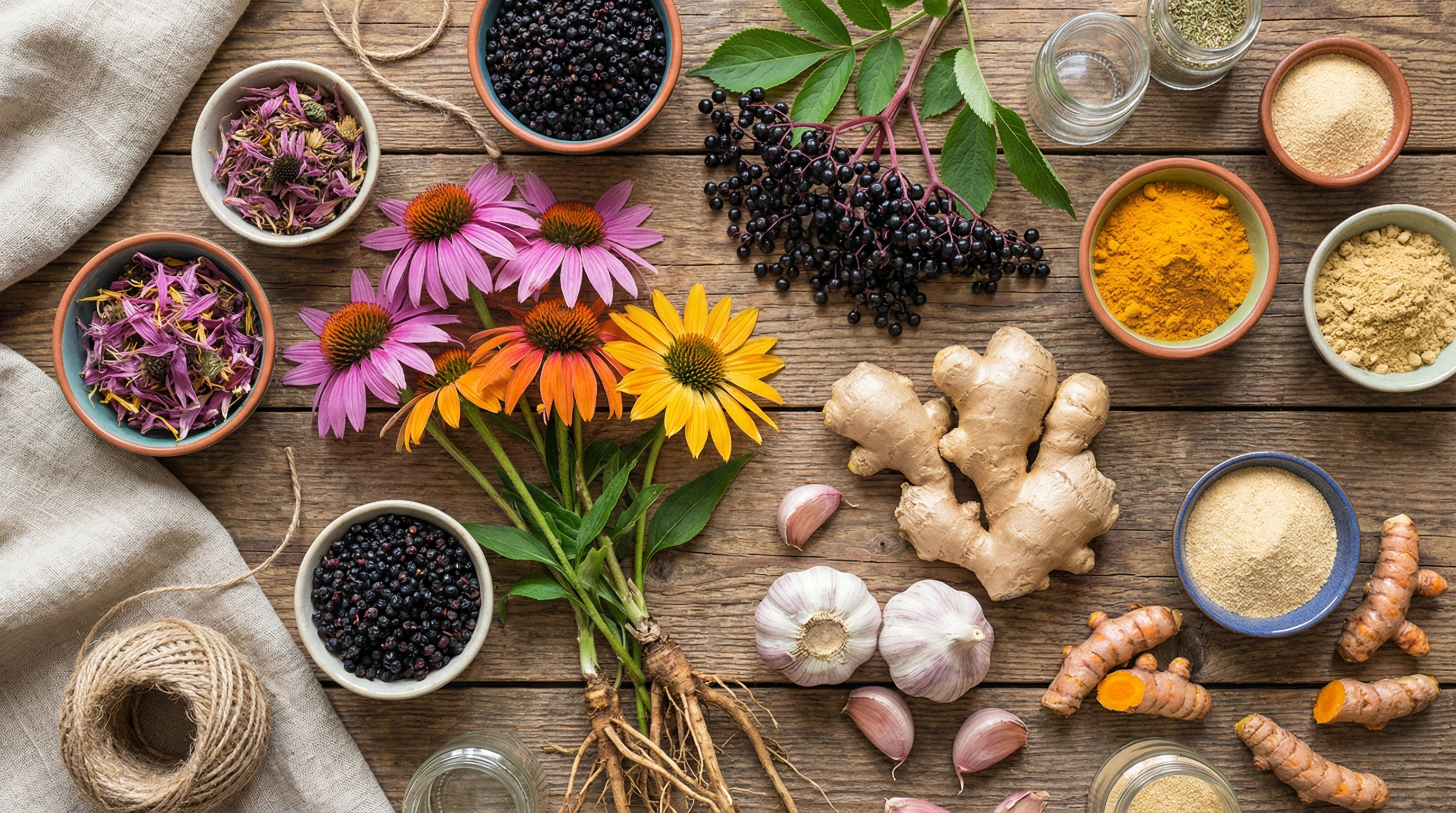
Here’s a rundown of the herbs I rely on (and that many holistic pros recommend) for keeping immune health in check. Each offers unique benefits and most are easy to find at health food stores or even your grocery shop.
- Echinacea: One of the most popular herbs for immune support, echinacea helps your body put up a fight during cold and flu season. Some folks grab it as tea or tincture at the first sneeze, and there’s actual evidence that it can help shorten how long you’re sick or make symptoms milder.
- Elderberry: This deep purple berry is full of antioxidants and vitamins, making elderberry syrup a go-to for many during winter. Studies link elderberry to reduced upper respiratory symptoms, so people keep a bottle handy for a quick boost.
- Garlic: Garlic isn’t just for pasta sauce. It’s loaded with sulfur compounds (like allicin) that may help your immune system react more efficiently. I like to chop it raw and add it to salads or soups, just be careful—raw garlic is pretty strong.
- Ginger: Warming, comforting, and loaded with anti-inflammatory compounds, ginger is great for more than just upset stomachs. Sipping ginger tea is one of my own favorite picks when fighting off a scratchy throat or mild cold symptoms.
- Turmeric: Known for its bright yellow color, turmeric comes with curcumin, supporting the body’s natural anti-inflammatory responses. Mixing turmeric into smoothies or drinking it as golden milk is a tasty way to sneak it in daily.
- Astragalus: With a long history in Traditional Chinese Medicine for helping “defend” the body, astragalus is usually used in teas, capsules, or sliced and simmered into broths. Many use it long-term for overall immune support.
- Andrographis: More common in Asia, andrographis is worth checking out if you’re serious about natural immune boosters. Some clinical trials show it may help beat back colds faster, so herbalists recommend it at the very beginning of illness.
- Licorice Root: Licorice isn’t just a treat; the root can support immune balance and soothe sore throats. You’ll often find it in herbal teas for coughs or as drops—although if you have high blood pressure, skip licorice root or ask your doctor first.
- Holy Basil (Tulsi): Not the kind for pizza, holy basil is known for its stress-relieving, adaptogenic effects, which help regulate immune function. Brewing tulsi tea when you feel wiped out or run down is a gentle way to support wellness.
- Oregano: Oregano isn’t just for Italian cooking. The oil and leaves are packed with carvacrol and thymol, two compounds with strong antioxidant effects. Oregano oil tastes a bit spicy, so it works best diluted or in capsules for immune support.
Adding Immunity Herbs to Daily Life
Getting herbs into your day-to-day routine is easy. The best part is you don’t need to overhaul your diet; just add a bit here or there. Here’s how I prefer to use them:
- Teas: Many herbs, like echinacea, ginger, or tulsi, work well brewed as tea. Add honey for extra comfort and soothing benefits.
- Tinctures & Syrups: A few drops of tincture or a spoonful of elderberry syrup is quick, especially when you’re busy or on-the-go.
- Powders & Capsules: Turmeric, astragalus, and even oregano show up in capsule or powder form nowadays. These are convenient if you don’t love the taste or want something faster.
- Cooking: Garlic, ginger, turmeric, and oregano are the easiest to slip into stews, soups, dressings, or roasted veggies. A sprinkle here and there is plenty for a health boost.
Things to Think About Before Using Immune Boosting Herbs
Even natural options can sometimes cause reactions, so it’s worth knowing a few things before starting new herbs. These are the points I keep in mind:
- Allergies: Plants can trigger allergies just like any food, so it helps to try new herbs in small amounts first. Work up slowly if needed.
- Interactions: Some herbs, such as licorice root or astragalus, may not be a good fit if you have certain health conditions or are taking medication. If you’re unsure, checking with your doctor is always a good move.
- Quality: Herbal supplements don’t always have strict oversight. I stick with well-known brands and look for third-party testing labeled right on the package.
- Proper Dosage: More isn’t always better. Trusted brands usually give clear use directions, and following these helps you avoid mishaps or side effects.
How to Make the Most of Immunity Herbs
When you use these herbs regularly (not just when you’re sick), you’ll likely get more benefit. Here’s what tends to work best:
- Rotate different herbs instead of sticking with one long-term. That way, you benefit from a variety of plant compounds, helping cover all your wellness bases over time.
- Mix herbs with a balanced diet rich in fruits and veggies, since they work together and add variety to your meals.
- Make sure you stay hydrated and well-rested—herbs can give your body a boost, but sleep and water are essentials you can’t skip.
Frequently Asked Questions
These are the questions I hear most from friends and readers who are new to using natural herbs for immunity support.
Which herb gives the fastest boost to the immune system?
It depends, but plenty of people—including myself—reach for elderberry or echinacea when first feeling a cold. Both have research showing they can help, especially if caught early in the illness.
Is it safe to use several of these herbs at once?
Usually, mixing culinary herbs like garlic, ginger, and turmeric is both safe and a great way to add flavor and benefit to meals. For supplements, check labels for warnings and always check with your health provider if you mix in OTC medicines.
How long should I take immunity-boosting herbs?
For kitchen staples, using them regularly is fine. With more concentrated herbs, like astragalus or andrographis, I take them for a few weeks—particularly during cold and flu season—and then take short breaks before resuming if needed.
Can I give these herbs to kids?
Most herbs like garlic and ginger are safe for children in food amounts. With supplements, check the packaging for age-appropriate dosing and any extra warnings. Elderberry syrup is popular with parents, but always read and follow the label’s age recommendations.
Real-Life Tips for Everyday Use
Making these herbs part of real meals takes the “chore” out of healthy habits. If I’m making soup, I throw in garlic, ginger, and a touch of turmeric. For an evening wind down, herbal teas like holy basil or licorice root are favorites. On cold mornings or nights, a hot cup of elderberry or echinacea tea makes me feel like I’m giving my body something extra to stay ahead of sickness.
Keeping up small steps, like a teaspoon of elderberry syrup at breakfast during the “sick season,” or grating ginger over dinner veggies, keeps things simple enough that I can actually stick to the routine. No need for complicated regimens—the best wellness habits fit smoothly into daily life.
From what I’ve seen, people who use herbs in daily meals get fewer sniffles and seem to recover faster from colds. No one’s saying to skip medicine, but stacking the odds in your favor can help you feel stronger all year. Even switching up your herbal habits based on the season or your own needs keeps things interesting and effective.
Final Thoughts
The world of herbs really does offer something for everyone. Whether you lean on the top 10 listed above or branch out into local favorites, these plants give your immune system some extra support. Enjoy them balanced with sleep, decent food, plenty of water, and movement. Nature’s full of ways to help you feel your best, and these herbs make for an easy, tasty jumpstart to wellness for anyone hoping to stay on top of their game—naturally.
I like the practical way you framed herbs as support rather than substitutes for medical care, because that balance often gets lost in wellness conversations. I enjoy herbal teas, plus I have personally used garlic, ginger, and turmeric regularly in cooking, and I do notice that staying consistent with simple habits seems to matter more than reaching for something only when I feel sick. In your opinion, is there a noticeable difference between using whole food forms like fresh herbs versus capsules or extracts, and how should beginners decide which approach fits their lifestyle best?
Fresh herbs are usually better for most because it is put into the system by an easier digestion than capsules or pills. As I am not a doctor, it is hard to say what is a better approach. Beginners should try a slow start possibly with fresh herbs. as they learn how they effect their own body, they can try more. So many capsules are not as easily absorbed as fresh herbs. However, extracts and tinctures can be just a beneficial.