
Stress can make everyday life feel more tiring than it needs to be. Brewing a cup of herbal tea is an easy way I’ve found to slow down, clear my head, and soothe tension. If you’re curious about calming herbal teas or want to blend your own remedies, I’ll show you what’s worked for me to make herbal teas that really help address stress.
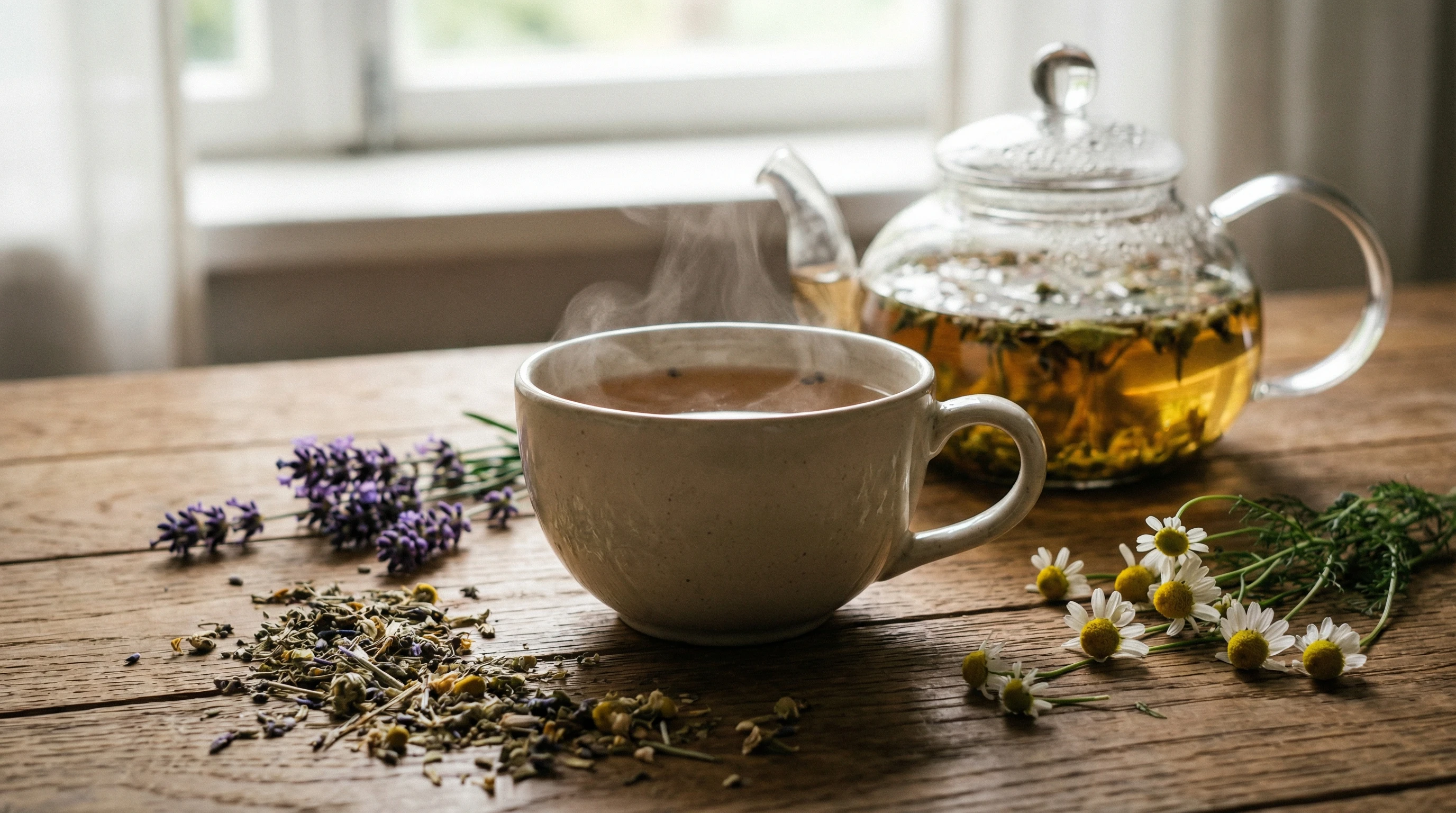
Understanding Herbal Teas for Stress Relief
Herbal teas have roots in ancient wellness traditions. These drinks don’t just taste great; they’re packed with plant compounds that can gently support relaxation and wind down a busy mind. For me, sipping an herbal infusion is more than just a warm drink. It’s a small ritual that signals my body to take it easy.
Studies suggest certain herbs may impact the brain chemicals connected to mood and stress response. Chamomile, lemon balm, and lavender are some of the better-known herbs for stress reduction, but the list is pretty long. (You can read more about the science behind herbal teas at NCBI if you want to geek out on the details.)
Herbal teas are different from true teas like green or black tea, since they’re made with various parts of non-tea plants. This opens up a lot more options for flavor and benefit. Anything from dried flowers to leaves, roots, seeds, or bark can be used; there’s a lot to explore. Not only do these blends offer many flavors, but they also give you the chance to try out new herbal combinations and make your tea-drinking experience truly unique.
Popular Stress Relieving Herbs
I keep a handful of dried herbs in my tea stash that I reach for whenever stress creeps in. Here are a few common ones that are worth having around for your own blends:
- Chamomile: Known for its gentle floral flavor and calming effect, this is my go-to before bed or when I’m feeling anxious.
- Lemon Balm: Light and citrusy, lemon balm is linked to mood lifting and boosting a sense of calm. It tastes great on its own or with other herbs.
- Lavender: Famous for its soothing scent, a little goes a long way. I like adding lavender to blends for both aroma and relaxation.
- Passionflower: This unique herb may help with stress and mild insomnia. It has a slightly earthy taste that works well with mint or lemon herbs.
- Peppermint: Cool and refreshing, peppermint isn’t just great for digestion; it’s also handy when tension shows up as a headache or tight shoulders.
- Holy Basil (Tulsi): Popular in Ayurvedic tradition for handling stress and restoring balance. Tulsi’s flavor is a bit spicy and slightly sweet.
Each herb brings its own flavor and set of benefits, and you can find most of these in grocery stores, health shops, or online. Many people try new herbs in small amounts to check their flavor and see how their body responds, making herbal tea a personal and customizable experience.
How to Make Herbal Teas for Stress Relief
Blending your own herbal teas is pretty simple and gives you lots of control over taste and effect. Here’s my basic process for making soothing herbal tea at home:
- Choose Your Herbs: Pick one to three herbs based on what you like and how you want to feel. For example, chamomile, lavender, and lemon balm blend nicely together for a relaxing effect.
- Measure Your Ingredients: For a single cup, use about one teaspoon of dried herbs per 8 ounces of water. If you’re using fresh herbs, use a tablespoon, since they’re less concentrated.
- Boil Water: Bring fresh, filtered water to a boil. Once boiling, remove from heat; herbal teas are usually best when steeped just off the boil (about 200°F or 93°C).
- Steep: Place the herbs in a tea infuser, teapot, or mug. Pour hot water over them, cover, and let steep for 5 to 10 minutes. Longer steeping pulls out more flavor and compounds. I like a full 10 minutes for maximum effect.
- Strain and Sip: Strain out your herbs and enjoy while warm. You can add honey or a splash of lemon if you want some natural sweetness or brightness.
The process is repeatable with endless combinations. Don’t be afraid to experiment with blends or tweak steeping times based on how strong you want your tea. Finding the perfect blend might take a few tries, but your personal recipe is part of the fun.
Tips for Safe and Effective Herbal Tea Blending
Most stress relief herbs are gentle, but a few basic practices make sessions safer and tastier:
- Source Quality Ingredients: Use organic or wildcrafted dried herbs when possible, since these generally have fewer pesticides or contaminants. I buy from trusted online apothecaries or local herb shops.
- Start Small: Especially if you’re new to a particular herb, begin with a small dose and see how your body reacts.
- Mind Allergies and Meds: Some herbs can interact with medications or cause allergic reactions. If you have any conditions or take prescriptions, running your blend by a healthcare provider is smart.
- Don’t Overdo It: Even relaxing teas are best enjoyed in moderation. I find one to three cups a day is more than enough; it gives you hydration and calm, without overloading the system.
Blending teas at home puts you in control, but a dose of caution is always wise. Paying attention to how your body feels can help you spot any sensitivities early and enjoy herbal teas safely. As always, listening to your own needs makes the difference.
My Favorite Herbal Stress Relief Tea Recipes
I’ve played around with a lot of blends, but these three are always in my rotation when I need to relax. Each one uses easy to find ingredients and can be adjusted to fit your taste.
- Classic Chamomile Lavender Tea
• 1 teaspoon dried chamomile flowers
• 1/2 teaspoon dried lavender buds
Steep for 8 to 10 minutes. This combo is great for winding down at night or during anxious moments. - Citrus Uplift Lemon Balm Tea
• 1 teaspoon dried lemon balm
• 1/2 teaspoon dried peppermint
• Optional: thin slice of fresh lemon
Steep for 5 to 7 minutes. Super refreshing and nice for daytime stress. - Tulsi & Mint Sweet Balance Tea
• 1 teaspoon dried tulsi (holy basil)
• 1/2 teaspoon dried spearmint or peppermint
Steep for 7 to 10 minutes. Enjoy for daytime calm and long-lasting steady energy, without jitters.
Adding a drizzle of local honey can be soothing if you want some extra sweetness, and honey is also known for its own calming properties. Just let the tea cool a bit first to help preserve the honey’s benefits.
If you feel like mixing things up, try adding rose petals, orange peel, or a bit of cinnamon to these recipes. There’s a lot of room to experiment and come up with something you love.
Common Questions About Herbal Teas for Stress
People often ask me questions when they’re first looking to use herbs for stress. Here are a few that come up the most:
Question: Can herbal teas really reduce stress?
Answer: While herbal teas aren’t magic cures, many people (myself included) do feel calmer after drinking them. Some herbs, like chamomile and lemon balm, have been studied for their ability to help the body relax and balance mood. The act of making and sipping tea itself brings about a meditative, peaceful pause, which can help a lot on tough days.
Question: Are there any side effects to these herbs?
Answer: Herbs like chamomile and peppermint are generally considered very safe, but allergies and personal sensitivities are always possible. If you’re pregnant, breastfeeding, or taking medicine, check in with a healthcare provider first.
Question: How long does it take to feel the effects of herbal tea?
Answer: Most people feel relaxed within 20 to 30 minutes of sipping their tea, though some find the process of preparing tea is as calming as the drink itself. Effects vary from person to person.
Where to Buy or Forage Herbal Tea Ingredients
If you’re ready to make stress relief teas but don’t know where to start, there are a few ways to get quality ingredients:
- Health Food Stores: Many health retailers and groceries now stock various dried herbs in the bulk section.
- Online Herbal Shops: Sites like Mountain Rose Herbs and Starwest Botanicals offer a big range of high quality organic herbs for tea making.
- Grow Your Own: If you have an outdoor space or sunny windowsill, herbs like mint, lemon balm, and chamomile are super easy to grow at home. You’ll get fresh, potent herbs right where you need them.
If you’re foraging wild herbs, proper identification is really important to prevent mistakes. Resources like regional field guides or local foraging groups come in handy here. Don’t forget to double-check any wild plant before using it, as lookalikes can sometimes be risky if you’re not sure.
Try Herbal Tea as a Calming Ritual
Sipping herbal tea is one of my favorite low pressure ways to press pause and recalibrate. Even if you only have ten minutes, that time with a warm mug can help steady breath, slow your thoughts, and make space for a little more quiet. Whether you try a classic chamomile blend or experiment with your own recipes, herbal tea can become a simple, pleasant tool in your stress busting toolbox.
Making herbal teas for stress is easy to start, fun to experiment with, and a gentle way to support yourself through the ups and downs of everyday life. With plenty of herbs to try and simple preparation, you can brew up your own moments of calm whenever you need to take things down a notch.